Identifying Prime Deer Habitat: October Scouting Strategies
At Merk Farms Hunting, we have spent over 15 years evaluating thousands of acres across 28 states. When we walk a property in October, we aren't just looking for deer; we are looking for the 'why' behind their movement. As the leaves turn and the pre-rut energy begins to build, understanding what makes a habitat "deery" is the difference between a long wait in a cold stand and a successful harvest.
The Anatomy of a High-Activity Deer Field
When we evaluate a property, we look for key landscape features. In the field, look for big open spaces adjacent to thick, undisturbed cover. October deer are shifting their focus toward calorie-dense food sources. If you find a field that borders a small wetland or thick brush, you have likely found a primary travel corridor. Deer are creatures of habit and safety; they prefer routes that offer immediate escape cover when pressured.
Why October is the 'Golden Month' for Scouting
October is a transitional period. Deer are moving from their summer patterns into the high-octane excitement of the rut. At Merk Farms, we often see increased activity in the early mornings and late evenings. The key to success is getting up in the trees—literally. Elevated vantage points allow you to spot transition trails that aren't visible from the ground. Whether you are looking at our Kentucky hunting leases or exploring Ohio hunting leases, the principles of identifying high-traffic zones remain the same.
Reading the Signs: Bedding and Travel Corridors
If you see a field that looks "deery," don't just set up a blind. Look for the "edge effect." Deer love to bed where they can see danger coming but remain hidden in deep brush. A wetland edge is a classic bedding spot. In our 15 years of experience, we have found that the most "deery" spots are those that offer a mix of:
- Deep Cover: Thick brush or timber for safety.
- Water Access: Small, isolated wetlands or creeks.
- Transition Zones: Areas where bedding meets feeding.
Browse our current Properties to see how these landscape features play out in real-time across the country.
Preparing for the Rut
As the foliage thins, your strategy must evolve. The rut brings unpredictability. Bucks will start roaming into areas they usually avoid. The field that only saw one or two deer in early October might turn into a hub of activity as bucks chase does. By securing your Membership now, you ensure access to premium ground where these patterns are documented and managed.
Frequently Asked Questions
Q: How do I know if a field is worth hunting in October?
A: Look for fresh sign along the edges, such as rubs, scrapes, and defined trails that lead into thick cover or wetlands.
Q: Should I hunt the morning or evening in October?
A: Both are excellent, but focus on the transition hours. Mornings are great for catching bucks returning to bedding; evenings are best for catching them as they move toward food.
Q: How can I improve my odds on a new lease?
A: Spend time scouting the perimeter of bedding areas and identify pinch points. If you are a landowner looking to maximize your land's potential, consider our lease your land program.
Watch the Video
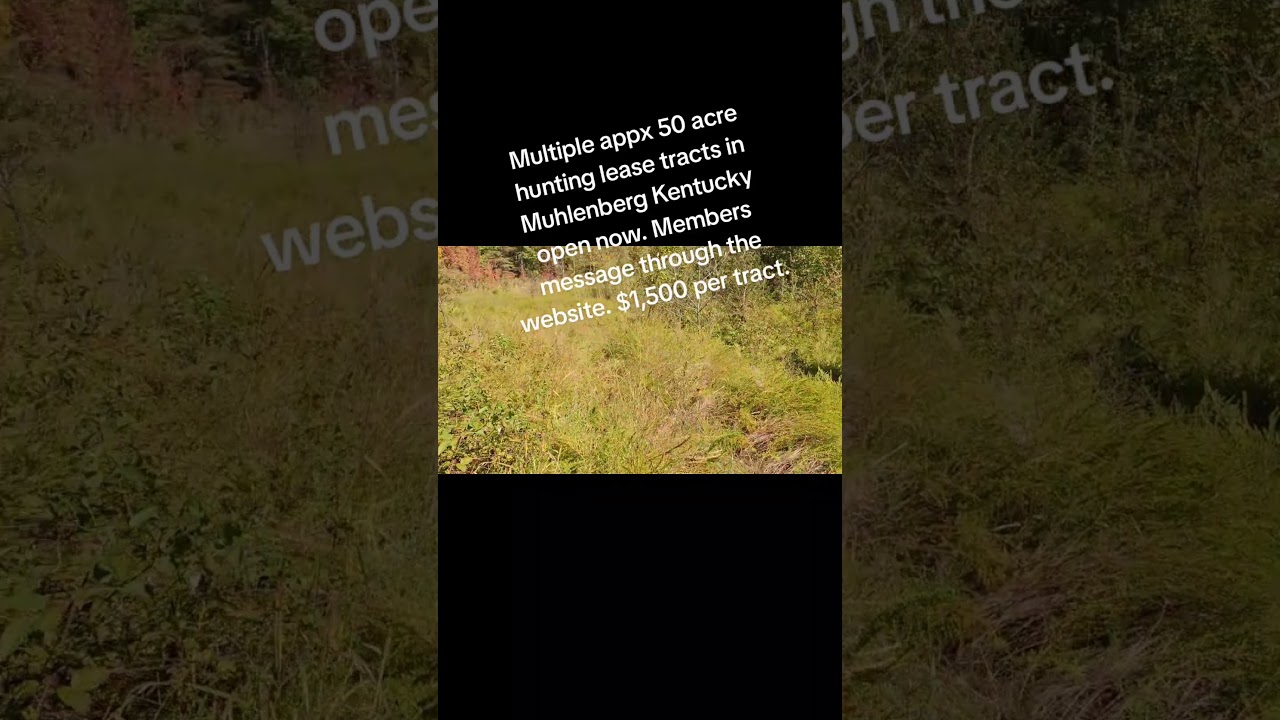
See these scouting principles in action in our latest field highlight. Watch the video here.
Your Next Hunt Starts Here
Whether you are a seasoned veteran or new to the sport, identifying the right terrain is paramount. At Merk Farms Hunting, we pride ourselves on connecting hunters with high-quality, managed land. Explore our Membership options today or check out our full list of Properties to plan your next excursion.
Related Videos
Keywords
Ready to Find Your Perfect Hunt?
Explore our premium hunting leases and connect with the Merk Farms Hunting community.
View Membership Plans